


Inspirations
Designing for Longevity: The New Definition of Sustainable Luxury

Introduction: When Luxury Stopped Being Loud
For much of modern consumer history, luxury followed a predictable and increasingly fragile formula. Newness equaled value. Excess signaled success. Visibility mattered more than meaning. Products were designed to impress quickly, circulate rapidly, and be replaced frequently.
For a long time, this model worked.
But today, something fundamental has changed.
Across global markets—particularly among founders, investors, architects, designers, and high-net-worth consumers—luxury is undergoing a quiet but irreversible redefinition. The new markers of luxury are no longer speed, novelty, or abundance. They are durability, restraint, relevance, and foresight.
Luxury is no longer about how much you consume.
It is about how well you choose.
At the heart of this shift lies longevity—not just as a material property, but as a design philosophy, a strategic position, and an ethical stance. Longevity is becoming the most credible expression of sustainability, and sustainability is becoming the most defensible form of luxury.
This is not a trend cycle.
It is a structural correction.
Why the Traditional Luxury Model Is Breaking Down
The classical luxury playbook was built on three assumptions:
- Desire could be refreshed endlessly through novelty
- Scarcity could be manufactured through pricing and branding
- Emotional value could be replaced seasonally
Each of these assumptions is now under pressure.
Overproduction Has Diluted Exclusivity
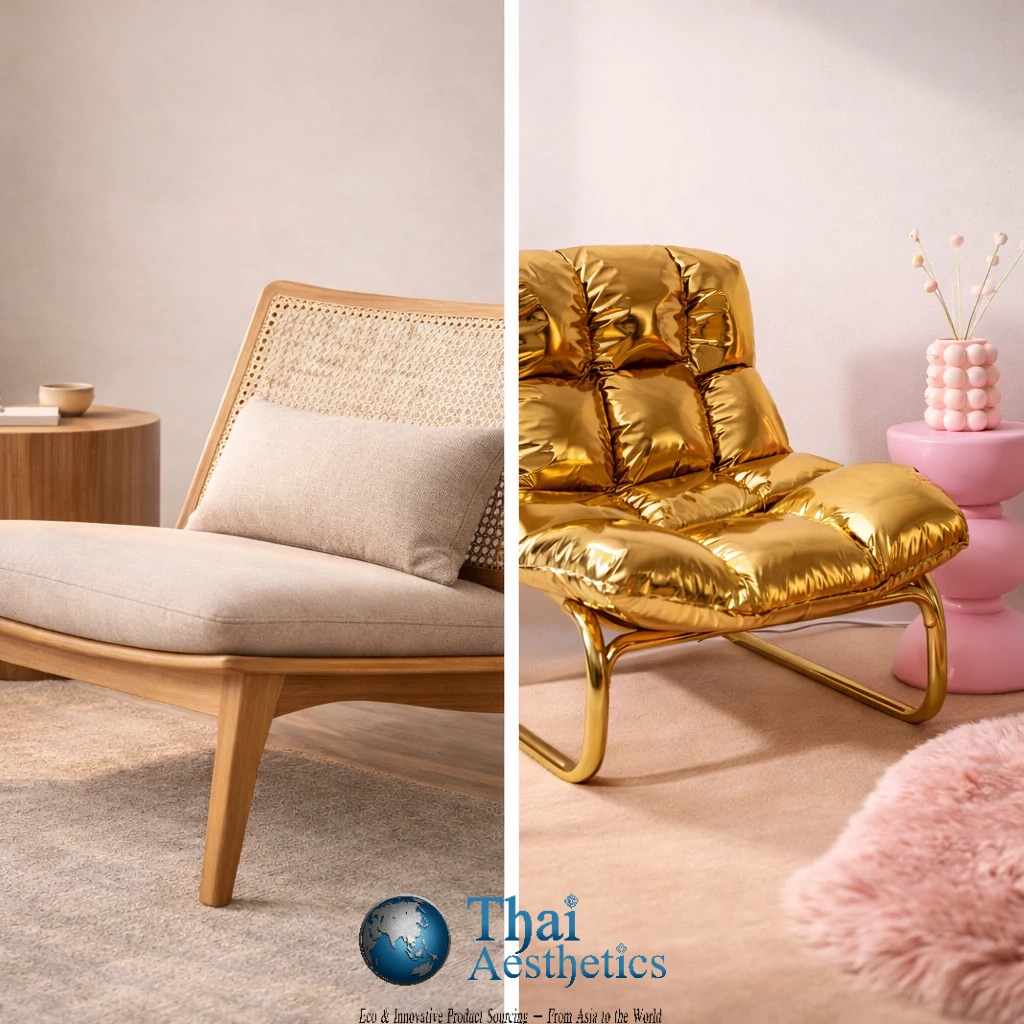
Luxury once relied on scarcity of access. Today, it often relies on scarcity of messaging—“limited editions,” “exclusive drops,” “seasonal collections”—many of which feel increasingly artificial.
When everything is marketed as rare, nothing truly is.
Sophisticated consumers recognize this. The result is fatigue, not aspiration.
Sustainability Has Introduced Accountability
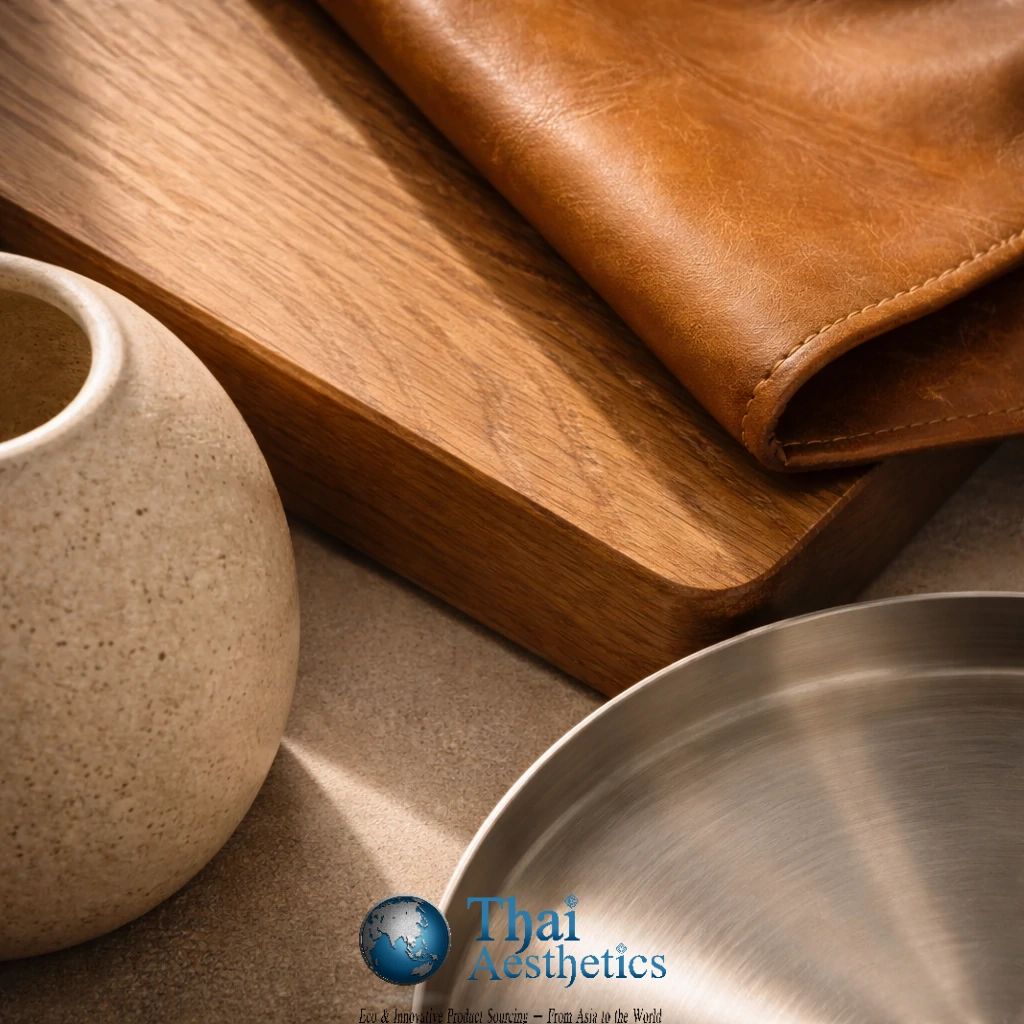
Luxury consumers today are among the most informed and demanding when it comes to sustainability. They expect answers to questions that brands once avoided:
- Where did this material come from?
- How long is this product designed to last?
- Can it be repaired, reused, or responsibly retired?
- What is its real environmental cost over time?
Luxury that cannot answer these questions convincingly is beginning to feel hollow—regardless of price.
Fast Luxury Has Undermined Emotional Attachment
Products designed for rapid cycles struggle to accumulate meaning. They may look impressive initially, but they age poorly—physically, aesthetically, and emotionally.
When luxury lacks emotional durability, it becomes transactional rather than personal.
This is the fracture point of the old model.
Longevity as the New Language of Luxury
Longevity is often misunderstood as mere durability. In reality, it is far more expansive.
Designing for longevity means designing for:
-
- Extended relevance, not short-term attention
- Graceful aging, not aesthetic decay
- Emotional continuity, not disposability
- Responsible ownership, not replacement culture
Longevity transforms luxury from a momentary experience into a long-term relationship.
This is why longevity is increasingly viewed as a marker of confidence. It suggests that the brand does not need to chase trends or stimulate constant demand. It trusts its design, its materials, and its purpose to endure.
Durability Is the New Status Symbol
Historically, durability was associated with industrial or utilitarian products—not luxury. Today, that distinction is dissolving.
A product that lasts decades communicates something powerful about its owner:
- Discernment over impulse
- Patience over urgency
- Substance over spectacle
In executive and creative circles, there is growing pride in owning fewer things—but better things. Objects that hold up physically and aesthetically over time signal a level of maturity that flashy novelty cannot.
Durability, in this context, is not about heaviness or ruggedness. It is about engineering integrity and material honesty.
Timeless Design vs. Trend Dependency
Trend-driven design creates urgency. Timeless design creates trust.
Designing for longevity requires resisting the temptation to over-style or over-decorate. It prioritizes:
- Balanced proportions
- Neutral but expressive material palettes
- Forms that adapt across contexts and cultures
Timeless design does not mean static design. It means design that remains relevant without explanation.
In sustainability terms, timelessness is one of the most powerful interventions available. A product that does not need to be replaced is inherently more sustainable than one that relies on recycling or disposal systems.


Restraint as a Signal of Design Maturity
One of the most misunderstood aspects of modern luxury is restraint.
Restraint does not mean minimalism for its own sake. It means:
- Fewer materials, chosen intentionally
- Simpler forms, executed with precision
- Less decoration, more clarity
Restraint exposes quality. There is nowhere to hide weak craftsmanship or poor material choices.
Brands that embrace restraint are signaling confidence—not austerity. They are saying: we trust our design enough to let it speak quietly.
Sustainability as a Strategic Moat
True eco-luxury does not rely on green labels or marketing claims. It embeds sustainability into decisions that may never be seen by the end consumer—but define long-term value.
This includes:
- Lifecycle-based material selection
- Construction methods that allow repair or refurbishment
- Supply chains designed for stability, not speed
When sustainability is treated as strategy, it becomes difficult to copy. It creates defensibility rather than differentiation.
This is sustainability not as messaging—but as governance.
Longevity Creates Emotional Capital
Objects that last tend to accumulate meaning.
They become:
- Familiar rather than disposable
- Trusted rather than replaced
- Part of personal and professional narratives
Emotionally durable products create attachment, not addiction.
From a business perspective, this reduces churn. From a sustainability perspective, it reduces waste. From a brand perspective, it builds loyalty that cannot be bought through advertising.
Luxury that endures becomes emotionally irreplaceable.

Designing Beyond the Product Lifecycle
Longevity thinking extends beyond the object itself.
Future-ready luxury brands design for:
- Repairability rather than replacement
- Modular updates rather than total redesign
- Responsible end-of-life pathways
This does not diminish luxury—it enhances it. Knowing that a product has a thoughtful future increases its present value.
Eco-luxury is no longer about guilt-free consumption. It is about responsible stewardship.
Longevity as Risk Management
From a strategic standpoint, longevity is also a form of risk mitigation.
Brands that design for longevity benefit from:
- Reduced return and failure rates
- Greater regulatory resilience
- Longer product relevance cycles
- Stronger institutional trust
As environmental regulations tighten globally, longevity-driven brands will face fewer disruptions. This is sustainability as foresight.
The Next Generation of Luxury Leadership
The next generation of luxury consumers—many of whom are entrepreneurs, investors, and decision-makers—are not seeking excess.
They value:
- Meaning over noise
- Craft over scale
- Intelligence over novelty
For this audience, longevity is not a compromise. It is the point.
Luxury that aligns with their worldview becomes part of identity—not just lifestyle.
Longevity as Cultural Intelligence (Not Just Product Strategy)
One of the least discussed aspects of longevity-driven luxury is its cultural dimension. Products do not exist in isolation; they live inside homes, offices, hotels, rituals, and daily behaviors. When design ignores culture, longevity becomes impossible.
Culturally intelligent design understands that:
- A product must age well across geographies, not just markets
- It must feel appropriate in different social contexts
- It must align with how people actually live, not how trend reports imagine they live
This is where many sustainability narratives fail. They focus on materials and metrics but ignore cultural fit. A compostable product that feels awkward, fragile, or stylistically foreign will be discarded long before its material lifecycle is complete.
Longevity requires cultural resonance.
This is why heritage-driven design cultures—such as those found across Thailand and Southeast Asia—offer critical lessons for modern luxury. Traditional craft systems were never designed for trend cycles. They were designed for continuity, repair, and intergenerational relevance.
When modern luxury brands integrate this mindset, they move beyond surface-level sustainability into deep design wisdom.
Why Longevity Demands Slower Design Decisions
Speed has long been celebrated as a competitive advantage. In many categories, it still is. But in luxury and eco-luxury, speed increasingly works against value creation.
Longevity-based design requires slower, more deliberate decisions at every stage:
- Slower material qualification
- Slower prototyping cycles
- Slower partner selection
- Slower go-to-market timing
This is not inefficiency — it is strategic patience.
Fast decisions optimize for immediate visibility.
Slow decisions optimize for long-term relevance.
Brands that rush sustainability decisions often overcorrect: adopting materials prematurely, locking into unstable supply chains, or making public commitments they later struggle to maintain. Longevity-led brands accept delay in exchange for confidence.
In executive terms, this is risk-adjusted growth.
The Hidden Economics of Longevity
Longevity is often perceived as expensive. In reality, it redistributes cost rather than increasing it.
Short-lifecycle products carry hidden expenses:
- High replacement rates
- Increased customer dissatisfaction
- Brand dilution over time
- Growing regulatory exposure
Longevity-focused products, while sometimes costlier upfront, reduce expenses across the full lifecycle:
- Fewer returns and complaints
- Longer customer relationships
- Lower reputational risk
- Stronger brand equity
From a CFO perspective, longevity shifts spending from reactive cost centers to strategic investment zones.
This is why longevity should be viewed not as a design preference, but as a capital efficiency strategy.
Longevity vs. Circularity: Clarifying the Difference
Circularity is often positioned as the ultimate sustainability goal. While important, it is frequently misunderstood.
Circularity answers the question:
“What happens when this product reaches the end of its life?”
Longevity answers a more powerful question:
“How can we delay the end of life as long as possible?”
The most sustainable product is not the one that is recycled most efficiently — it is the one that does not need to be recycled for decades.
Longevity reduces pressure on recycling systems, waste management infrastructure, and resource extraction. Circularity without longevity simply accelerates material churn.
True eco-luxury integrates both — but longevity comes first.
Designing for Repair, Not Replacement
One of the clearest signals of longevity-led luxury is repairability.
Repairable design requires:
- Accessible construction
- Standardized components
- Documentation and transparency
- Long-term parts availability
Historically, repair was associated with lower-end products. Today, the opposite is becoming true. Products that can be repaired signal confidence in their construction and respect for their owners.
Repairability transforms ownership from consumption into stewardship.
For luxury brands, this opens new value layers:
- Post-purchase services
- Long-term customer engagement
- Secondary market credibility
Repair is not a weakness. It is a declaration of durability.
Longevity as a Brand Governance Principle
Sustainability initiatives often fail because they sit within marketing or CSR departments. Longevity-driven sustainability must sit much higher — at governance level.
This means:
- Longevity metrics influencing design approvals
- Sustainability criteria embedded into supplier contracts
- Lifecycle impact reviewed at board level
- Long-term relevance considered alongside margins
When longevity becomes a governance principle, sustainability stops being optional. It becomes structural.
This is how brands move from sustainability storytelling to sustainability credibility.
Why Longevity Builds Institutional Trust
Institutional buyers — including hospitality groups, developers, global distributors, and corporate procurement teams — increasingly evaluate brands on long-term risk, not short-term appeal.
Longevity-driven brands win institutional trust because they demonstrate:
- Supply chain stability
- Regulatory foresight
- Reduced obsolescence risk
- Long-term serviceability
For these buyers, longevity is not philosophical — it is operational.
This is why longevity-led luxury brands scale more effectively in B2B and global distribution environments.
Longevity and the Psychology of Ownership
Psychologically, longevity changes how people relate to objects.
Short-lifecycle products create:
- Detachment
- Disposable mindset
- Low emotional investment
Longevity-driven products create:
- Familiarity
- Respect
- Emotional continuity
This emotional bond reduces waste more effectively than any educational campaign. People do not discard objects they value.
In this sense, longevity is behavioral sustainability.
The Role of Designers in a Longevity-First World
Designers operating in longevity-first systems take on a different responsibility. Their role is not to excite quickly, but to age gracefully.
This requires:
- Humility in design expression
- Respect for material truth
- Willingness to edit rather than add
Designers become custodians of relevance rather than creators of novelty.
This shift elevates the profession from stylist to strategist.
The Long View: Luxury Beyond the Product
Ultimately, longevity redefines luxury beyond the object itself.
Luxury becomes:
- Confidence instead of excess
- Relevance instead of novelty
- Meaning instead of marketing
Brands that internalize this will not chase validation. They will earn legacy.
CEO Perspective: Designing What Will Still Matter in 20 Years
At leadership level, the defining question has changed.
It is no longer:
“How do we sell more this season?”
It is:
“Will this product still justify its existence in twenty years?”
This question reshapes everything:
- Design briefs
- Material sourcing
- Partner selection
- Brand storytelling
Designing for longevity requires patience, discipline, and conviction. But it also creates brands that outlast trends, cycles, and crises.
The Future of Eco-Luxury
The most influential luxury brands of the future will not shout about sustainability.
They will demonstrate it through:
- Products that last
- Designs that remain relevant
- Systems that respect resources
Longevity will be their signature.
In this future, luxury is defined not by accumulation—but by intention.
Conclusion: The New Luxury Is What Endures
Longevity is no longer a technical attribute.
It is a philosophical position.
Luxury that endures earns trust.
Sustainability that endures earns relevance.
Design that endures earns legacy.
The brands that understand this will not compete on volume or visibility. They will compete on lasting value.