



Inspirations
The Rise of Eco OEM: How Global Brands Leverage Thai Manufacturing

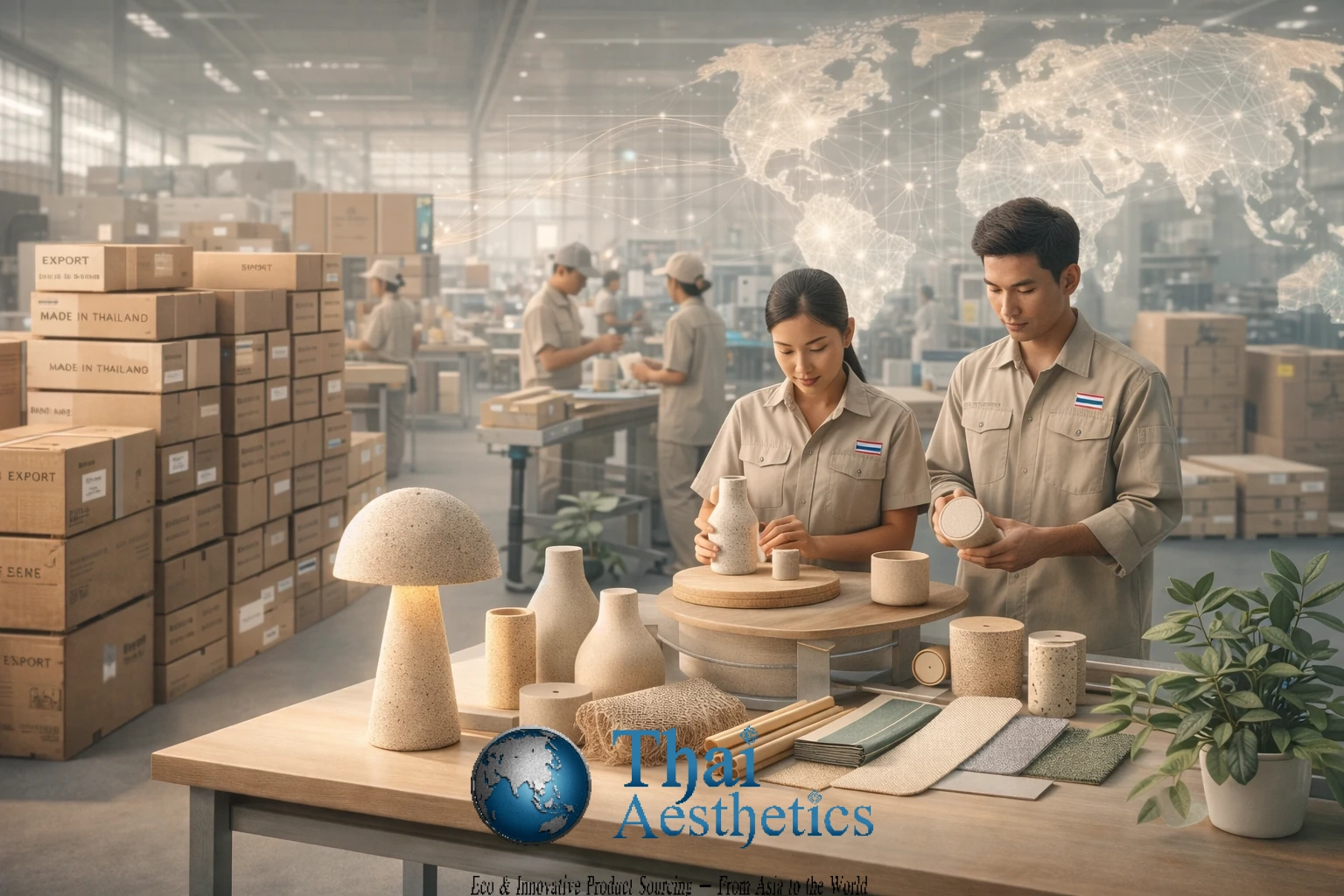
INTRODUCTION: A SHIFT IN HOW THE WORLD SOURCES
For decades, global manufacturing followed a predictable logic: produce at scale, minimize cost, optimize speed, and adjust later for branding or sustainability. This approach fueled globalization but also created fragility—environmental strain, opaque supply chains, quality inconsistencies, and reputational risk.
Today, that logic is being rewritten.
Global brands are no longer asking only where can we manufacture cheaply?
They are asking where can we manufacture responsibly, intelligently, and for the long term?
This shift has given rise to a new sourcing model: Eco OEM—original equipment manufacturing that integrates sustainability, design intelligence, ethical compliance, and scalable quality from the outset. At the center of this transformation is Thailand, emerging as one of the most credible next-generation eco OEM hubs in Asia.
WHAT “ECO OEM” REALLY MEANS (AND WHAT IT DOES NOT)
Eco OEM is often misunderstood as simply using greener materials or adding sustainability labels to existing production. In reality, true eco OEM is a structural model, not a cosmetic one.
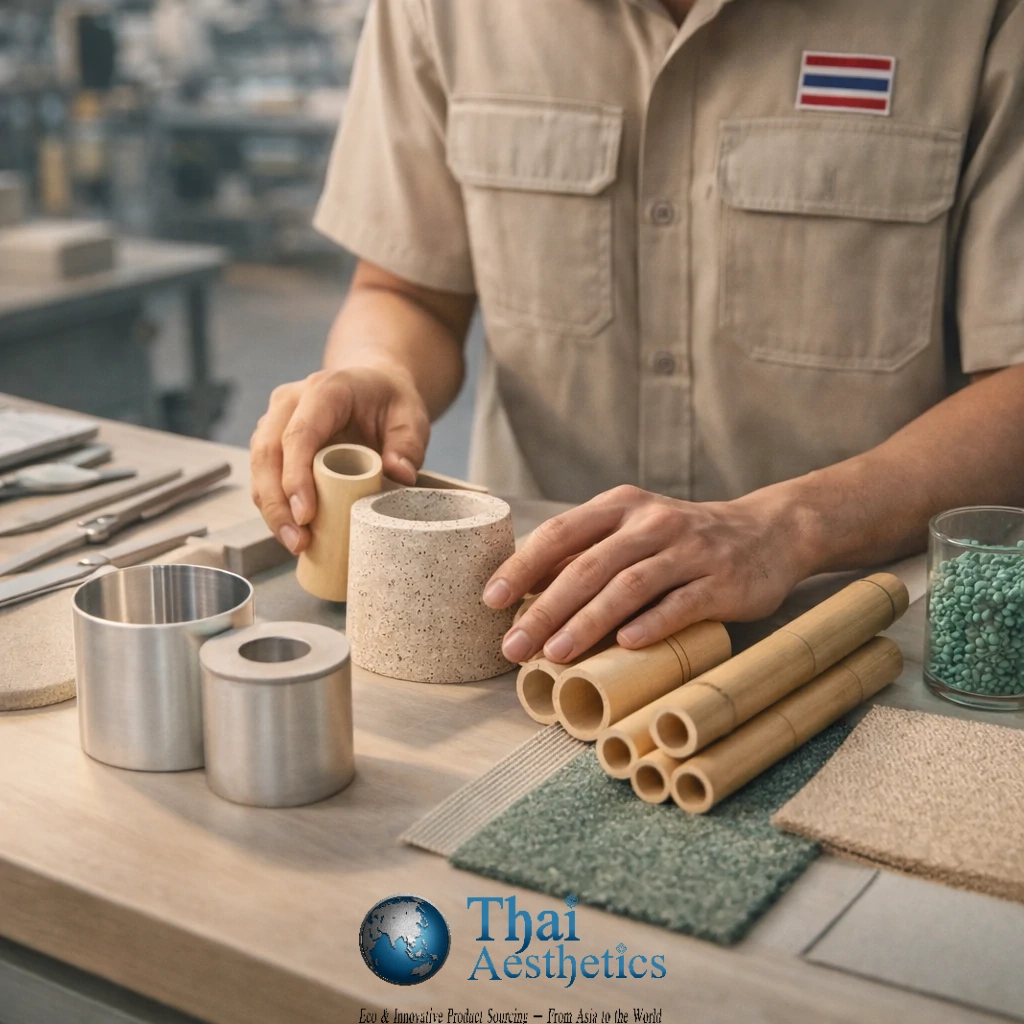
A genuine eco OEM framework integrates:
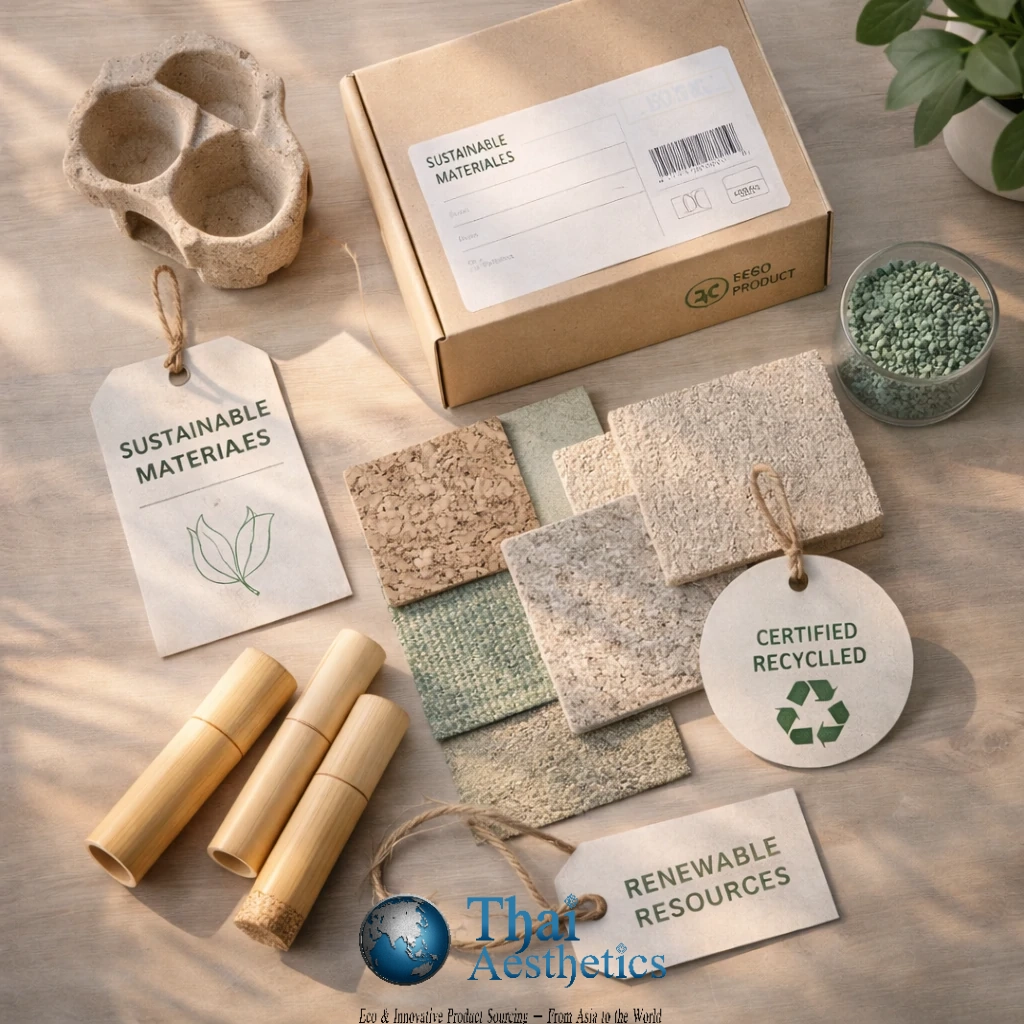
- Responsible material sourcing
- Energy-efficient production processes
- Waste minimization and circular thinking
- Transparent labor and compliance standards
- Design-for-longevity and lifecycle planning
It is not about perfection, but about measurable responsibility embedded into manufacturing decisions before production begins.
This distinction matters because global brands are increasingly held accountable not only for what they sell, but for how their products are made.
WHY GLOBAL BRANDS ARE RE-THINKING CHINA-ONLY SOURCING
China remains a manufacturing powerhouse, but global brands are diversifying their sourcing strategies due to structural risks:
- Rising labor and compliance costs
- Geopolitical uncertainty
- Supply chain concentration risk
- Increasing sustainability scrutiny
The response is not a single replacement country, but a portfolio sourcing strategy—and Thailand is increasingly positioned as a high-trust, mid-scale, eco-forward alternative.
Thailand does not compete on lowest cost alone. It competes on balance: capability, craftsmanship, compliance, and adaptability.
THAILAND’S STRUCTURAL ADVANTAGE AS AN ECO OEM HUB
Thailand’s rise as an eco OEM destination is not accidental. It is driven by a combination of structural strengths that align well with next-generation manufacturing needs.
- Mature Manufacturing Ecosystem
Thailand has decades of experience in export manufacturing across lifestyle products, homeware, consumer goods, electronics, packaging, and automotive components. This maturity translates into reliable quality systems and process discipline.
- Skilled Workforce and Craft Integration
Unlike purely industrial manufacturing zones, Thailand retains a strong link between skilled craftsmanship and modern production. This is particularly valuable for brands seeking differentiated, design-led products.
- Sustainability Readiness
Thai manufacturers are increasingly familiar with global sustainability requirements, including material certifications, audit frameworks, and compliance documentation. While not uniform across all factories, the baseline readiness is strong.
- Geographic and Logistical Advantage
Located at the heart of ASEAN, Thailand offers efficient access to regional supply chains, ports, and international markets—making it ideal for brands serving Asia-Pacific, Europe, and the Middle East.
FROM FACTORY SEARCH TO ECOSYSTEM CURATION
One of the biggest mistakes brands make when entering eco OEM sourcing is treating it as a factory search problem.
Eco OEM is not about finding a single “perfect” factory. It is about curating an ecosystem that includes:
- Material suppliers
- Specialized manufacturers
- Packaging partners
- Quality and compliance oversight
- Design and innovation alignment
This is where many global brands struggle. Navigating language barriers, fragmented suppliers, inconsistent standards, and cultural differences can slow progress or increase risk.

THAI AESTHETICS: FROM OEM MATCHMAKING TO STRATEGIC CONNECTOR
Thai Aesthetics positions itself not as a sourcing agent, but as an OEM connector and curator.
Instead of pushing factories, Thai Aesthetics starts with:
- Brand intent
- Design direction
- Sustainability expectations
- Market positioning
From there, it builds a tailored OEM pathway, aligning the right manufacturers, materials, and production models to the brand’s long-term strategy.
This approach reduces friction, improves quality consistency, and ensures sustainability is engineered into the supply chain rather than added later.
DESIGN-LED MANUFACTURING AS A DIFFERENTIATOR
Eco OEM is not just about how products are made, but what kind of products are worth making.
Thai manufacturing excels when paired with design-led thinking:
- Products designed for durability instead of disposability
- Modular and scalable product families
- Materials selected for performance and lifecycle impact
- Packaging optimized for transport and waste reduction
By integrating design intelligence early, Thai OEM partners help brands avoid over-engineering, trend-chasing, and unnecessary complexity.
TRANSPARENCY, COMPLIANCE, AND TRUST
Global brands today face unprecedented scrutiny from regulators, consumers, and partners. Claims must be backed by evidence.
Thailand’s eco OEM ecosystem increasingly supports:
- Traceable sourcing documentation
- Factory audits and certifications
- Material provenance records
- Transparent cost and compliance structures
When supported by a connector like Thai Aesthetics, brands gain a single point of accountability rather than fragmented supplier relationships.
Trust becomes operational, not aspirational.
SCALING RESPONSIBLY: THE REAL TEST OF ECO OEM
One of the biggest myths is that sustainability does not scale. In reality, poorly designed systems do not scale.
Thailand’s strength lies in its ability to:
- Start with small or pilot production runs
- Iterate based on market feedback
- Scale responsibly without sacrificing quality or ethics
This makes Thailand particularly attractive for:
- Emerging global brands
- Premium lifestyle labels
- Sustainable product lines within larger corporations
Eco OEM works best when growth is intentional, not rushed.
WHY ECO OEM IS A STRATEGIC, NOT OPERATIONAL, DECISION
For leadership teams, choosing an eco OEM model is not an operational choice—it is a strategic one.
It affects:
- Brand credibility
- Risk exposure
- Regulatory readiness
- Long-term cost structure
- Market differentiation
By partnering with eco OEM ecosystems early, brands future-proof their portfolios against tightening regulations and shifting consumer expectations.
THE FUTURE OF GLOBAL SOURCING RUNS THROUGH THAILAND
Thailand will not replace every manufacturing hub, nor should it. But it is emerging as a critical node in a diversified, responsible global sourcing strategy.
As eco OEM becomes the norm rather than the exception, brands that move early gain:
- Learning advantages
- Stronger partner relationships
- Better sustainability outcomes
- Greater resilience
Thai Aesthetics sits at this intersection—connecting global brands with Thailand’s evolving eco OEM ecosystem through intelligence, curation, and trust.
CONCLUSION: FROM MANUFACTURING LOCATION TO STRATEGIC PARTNER
The rise of eco OEM marks a fundamental shift in how global brands think about manufacturing.
Thailand’s strength lies not just in production capacity, but in its ability to support responsible, design-led, scalable manufacturing. When guided by the right connector, eco OEM becomes a platform for long-term value creation.
For brands seeking more than cost efficiency—for those seeking credibility, resilience, and relevance—the future of sourcing looks increasingly Thai.