


Inspirations
Rattan Reimagined: From Traditional Weaves to Modern Design

Introduction: Why Rattan Still Matters in a Modern World
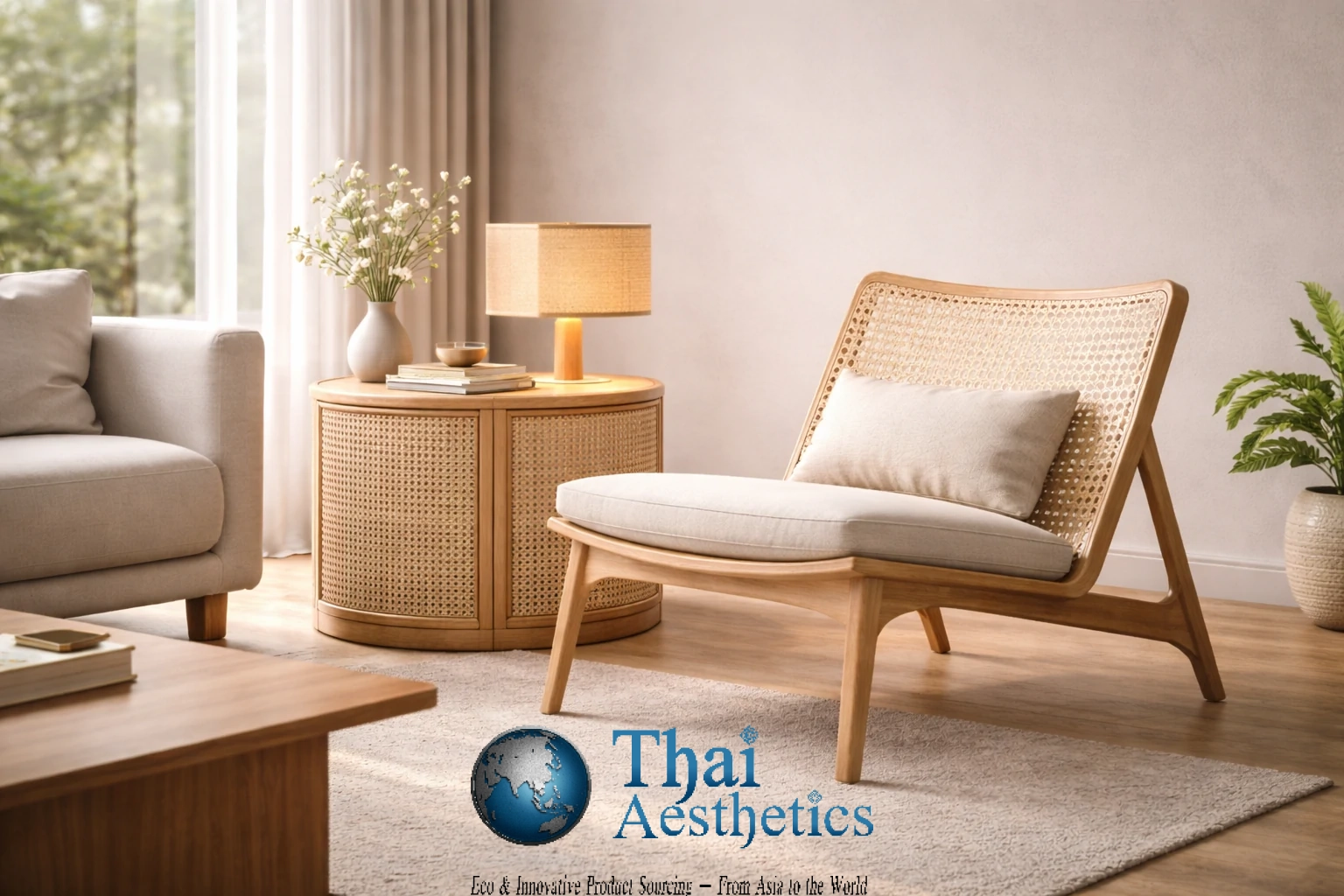
In a world increasingly dominated by industrial materials, synthetic finishes, and mass production, rattan stands apart—not as a relic of the past, but as a living material with enduring relevance. Its journey from rural craftsmanship to modern design studios reflects a deeper narrative about sustainability, culture, and adaptability.
Rattan has long been associated with tradition: handwoven chairs, baskets, and household items crafted by skilled artisans using techniques passed down through generations. For decades, it was viewed primarily as a vernacular material—functional, local, and modest.
Today, that perception is changing.
Designers, architects, and global brands are rediscovering rattan as a future-facing material—one that aligns with sustainability goals, circular design principles, and contemporary aesthetics. The evolution of rattan from traditional weave to modern design language is not accidental. It is the result of thoughtful reinterpretation, material innovation, and a renewed respect for craftsmanship.
This article explores how rattan is being reimagined in Thailand and beyond—bridging heritage and modernity, preserving cultural identity while meeting global design standards.
The Origins of Rattan Craft in Thailand
To understand rattan’s modern renaissance, one must begin with its roots.
Thailand has a long history of rattan craftsmanship, particularly in rural communities where the material was abundant and accessible. Rattan vines, harvested responsibly from forests, were traditionally used to create everyday objects—chairs, mats, storage baskets, and tools essential to daily life.
These early designs were guided by:
- Functionality
- Material efficiency
- Environmental awareness
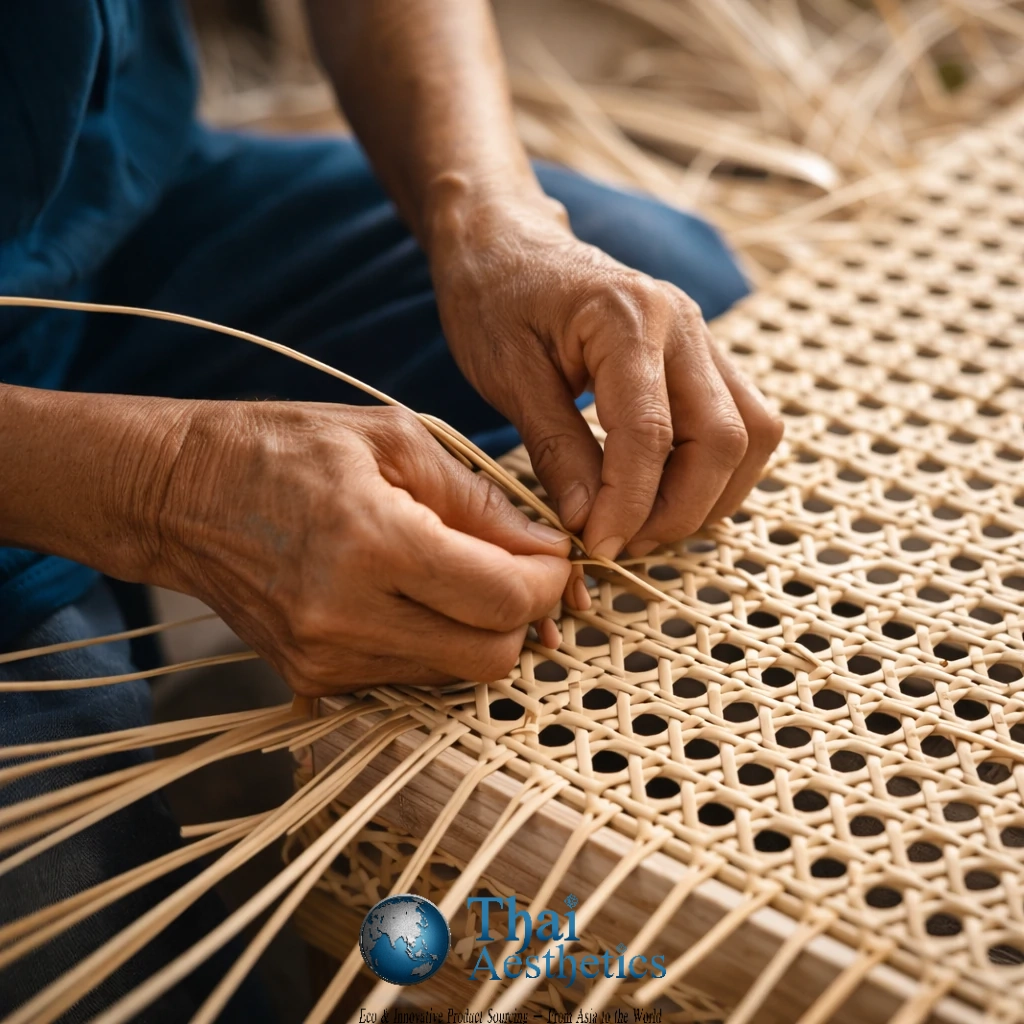
Without industrial tools or synthetic reinforcements, artisans relied on deep material knowledge. They understood how rattan bends, where it weakens, how it ages, and how it responds to humidity and tension. This knowledge formed the foundation of Thai rattan craftsmanship.
Importantly, rattan was never treated as disposable. Objects were repaired, reinforced, and reused—a natural expression of what we now call circular design.
Craftsmanship as Cultural Intelligence
Rattan weaving is more than a technical process. It is a form of cultural intelligence.
Each region developed its own weaving patterns, joint techniques, and finishing styles. These variations were shaped by:
- Local climate
- Intended use
- Community aesthetics
In Thai culture, craftsmanship is closely tied to patience, precision, and respect for materials. Rattan weaving reflects these values. The slow, deliberate process contrasts sharply with modern manufacturing speed—but it is precisely this contrast that gives rattan its contemporary appeal.
In an age of instant production, rattan represents intentional making.
Why Rattan Is Naturally Sustainable
Long before sustainability became a design mandate, rattan embodied its principles.
Rapid Renewability
Unlike hardwoods, rattan grows quickly and can be harvested without killing the plant. This makes it one of the most renewable natural materials available for furniture and lifestyle products.
Low-Impact Processing
Rattan requires minimal chemical processing. Most treatments involve drying, steaming, and natural finishes—dramatically reducing environmental impact compared to plastics or treated woods.
Durability and Repairability
Well-crafted rattan products last decades. When damaged, individual strands can be repaired or replaced without discarding the entire piece.
These characteristics position rattan as a material perfectly aligned with modern sustainability frameworks—without needing reinvention.
The Shift: From Folk Craft to Design Material
For many years, rattan remained confined to traditional or rustic aesthetics. The turning point came when designers began to treat rattan not as a finished look, but as a design material.
This shift involved several key changes:
Form Reinterpretation
Rather than repeating traditional silhouettes, designers started experimenting with:
- Minimalist forms
- Geometric structures
- Sculptural applications
Rattan became a medium for expression rather than replication.
Material Pairing
Modern rattan design often combines the material with:
- Metal frames
- Glass surfaces
- Engineered wood
- Contemporary textiles
These combinations elevate rattan from craft object to design-forward product.
Precision Engineering
Advancements in tooling and joinery have improved structural consistency, enabling rattan to meet international durability and safety standards.
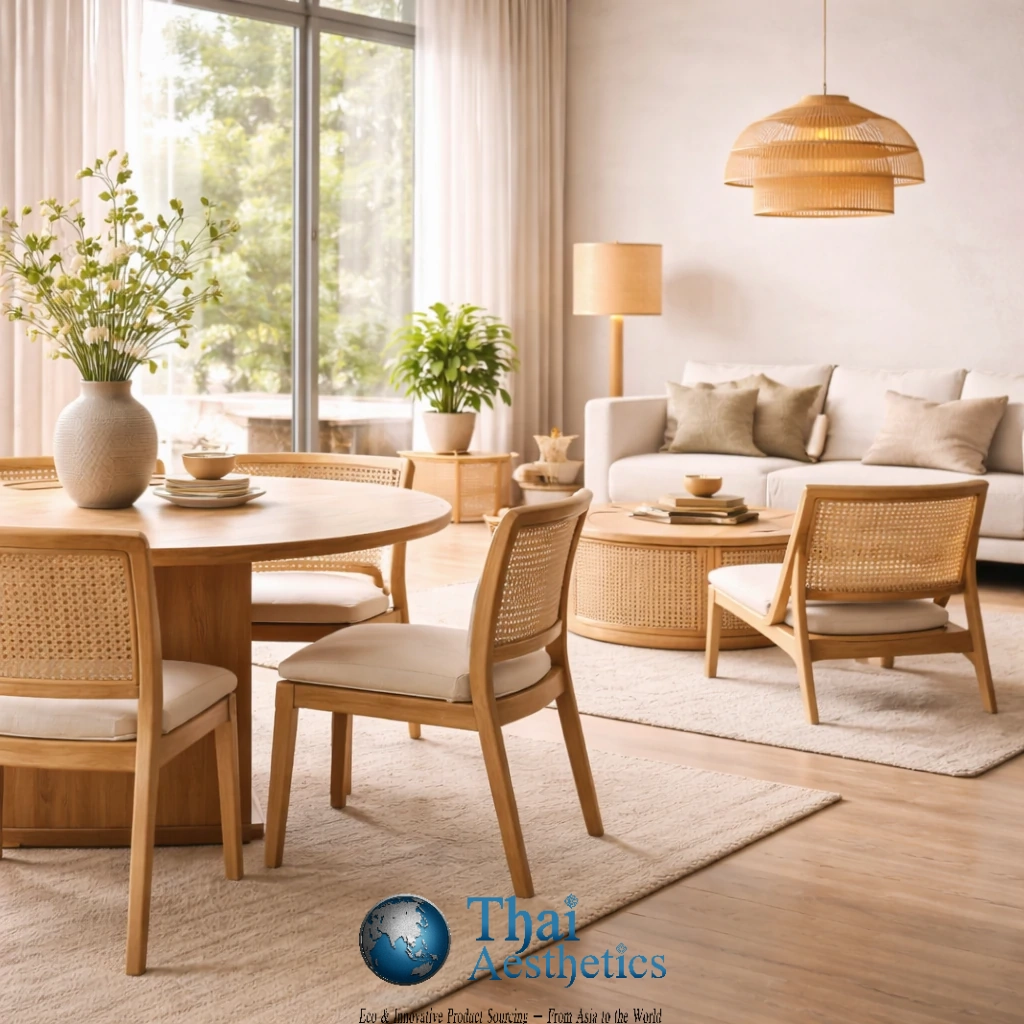
Modern Aesthetics: Rattan Without Rustic Stereotypes
One of the most significant achievements in rattan’s evolution is the removal of its rustic stereotype.
Contemporary rattan products are:
- Clean-lined
- Neutral in tone
- Minimal in ornamentation
Designers now focus on balance, proportion, and restraint—allowing rattan’s texture to speak without overwhelming the form.
This aesthetic shift has made rattan suitable for:
- Luxury residences
- Boutique hotels
- High-end cafés
- Global retail environments
The material no longer signals “traditional.” It signals thoughtful design.
Export Readiness: Meeting Global Design Expectations
For rattan to succeed globally, it must meet more than aesthetic expectations.
Export-ready rattan products require:
- Consistent quality
- Structural testing
- Sustainable sourcing documentation
- Scalable production capability
Thailand’s strength lies in its ability to combine artisan craftsmanship with organized manufacturing ecosystems. This allows rattan products to retain their handmade essence while achieving reliability at scale.
As a result, Thai rattan is now found in:
- European lifestyle brands
- Hospitality projects worldwide
- Premium home décor collections
The material has successfully crossed cultural and geographic boundaries.
Rattan in Contemporary Product Categories
Rattan’s versatility has enabled its expansion into multiple modern categories:
Furniture
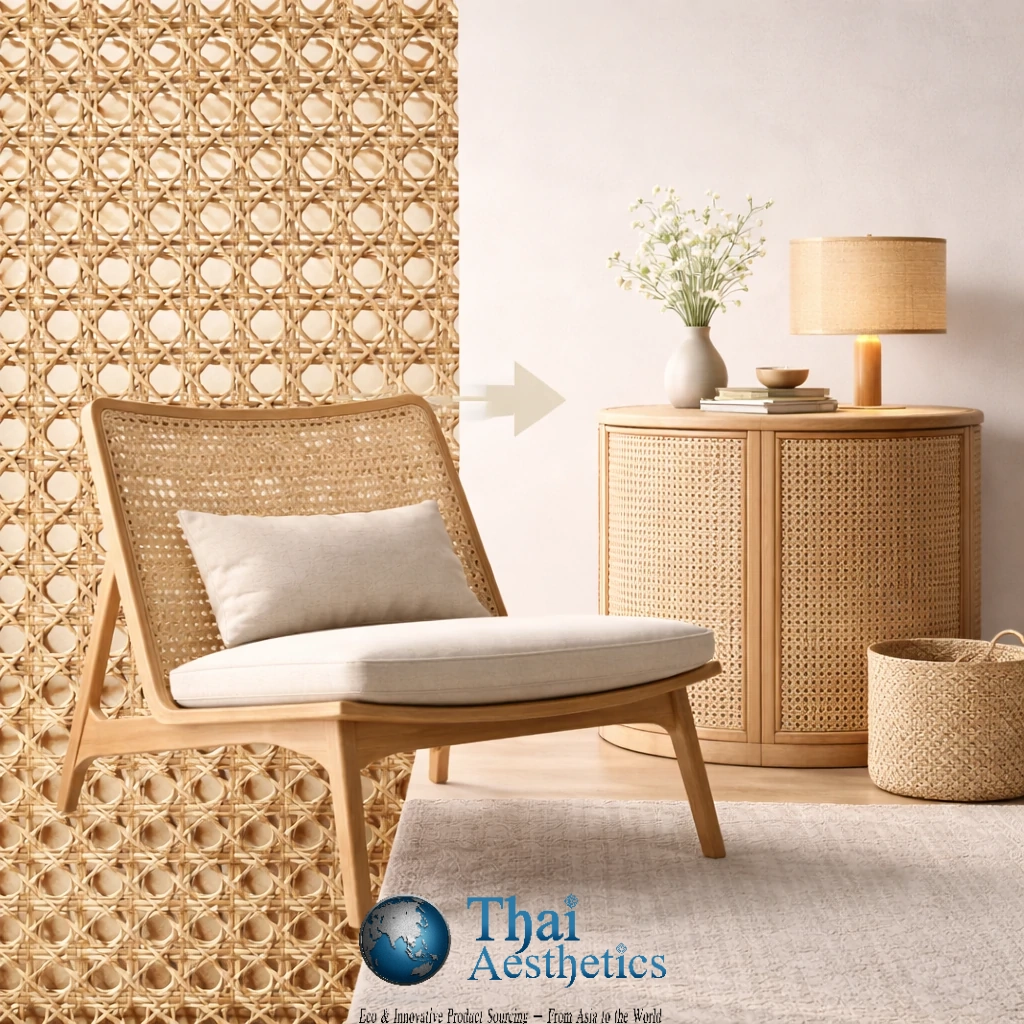
Chairs, loungers, shelving, and headboards designed with modern proportions and modular thinking.
Lighting
Rattan’s translucency and texture make it ideal for pendant lights and ambient fixtures, blending warmth with architectural form.
Home Accessories
Storage solutions, trays, and decorative objects that combine utility with understated elegance.
Commercial Spaces
Rattan is increasingly used in hospitality and retail interiors to create warmth without heaviness.
Each application reinforces rattan’s adaptability and relevance.
Craftsmanship as a Competitive Advantage
In an era of automation, craftsmanship is often seen as a limitation. In reality, it is becoming a competitive advantage.
Consumers and buyers increasingly value:
- Traceable origin
- Human involvement
- Cultural authenticity
Rattan craftsmanship offers all three.
By preserving artisan involvement while aligning with modern design, brands can differentiate themselves in saturated markets. Rattan products tell a story—not just of sustainability, but of people, place, and process.
Challenges and Responsible Scaling
Despite its advantages, rattan design faces challenges.
Over-Commercialization Risks
Poorly managed scaling can lead to:
- Quality dilution
- Artisan exploitation
- Environmental strain
Responsible brands must ensure that growth does not undermine the very values that make rattan desirable.
Skill Preservation
As younger generations move toward urban careers, maintaining craftsmanship skills requires:
- Education programs
- Fair compensation
- Modern relevance
Thailand’s success in rattan design depends on valuing artisans as partners, not just labor.
Why Rattan Fits the Future of Sustainable Design
Rattan’s resurgence is not nostalgic—it is strategic.
The future of design favors:
- Renewable materials
- Low-impact production
- Emotional durability
- Cultural resonance
Rattan fulfills all of these criteria naturally.
As sustainability standards tighten and consumers demand authenticity, materials like rattan will play an increasingly important role in global design language.
Thailand’s Role as a Cultural and Design Bridge
Thailand occupies a unique position in the global design ecosystem. It combines:
- Deep craft heritage
- Modern manufacturing capability
- Cultural sensitivity
- Global market access
This makes it an ideal origin for rattan products designed for international markets.
Rather than exporting tradition unchanged, Thailand exports evolved craftsmanship—heritage translated into modern relevance.
Conclusion: A Material That Carries the Future
Rattan’s journey from traditional weaves to modern design is a powerful example of how materials can evolve without losing identity.
By respecting craftsmanship, embracing contemporary aesthetics, and aligning with sustainability principles, rattan has transformed from a regional craft material into a global design asset.
It proves that the future of design does not require abandoning the past—it requires reinterpreting it intelligently.
As global markets continue to seek materials that combine responsibility, beauty, and meaning, rattan stands ready—not as a trend, but as a timeless solution.