


Inspirations
Circular Design: How Recycled Materials Are Redefining Modern Aesthetics

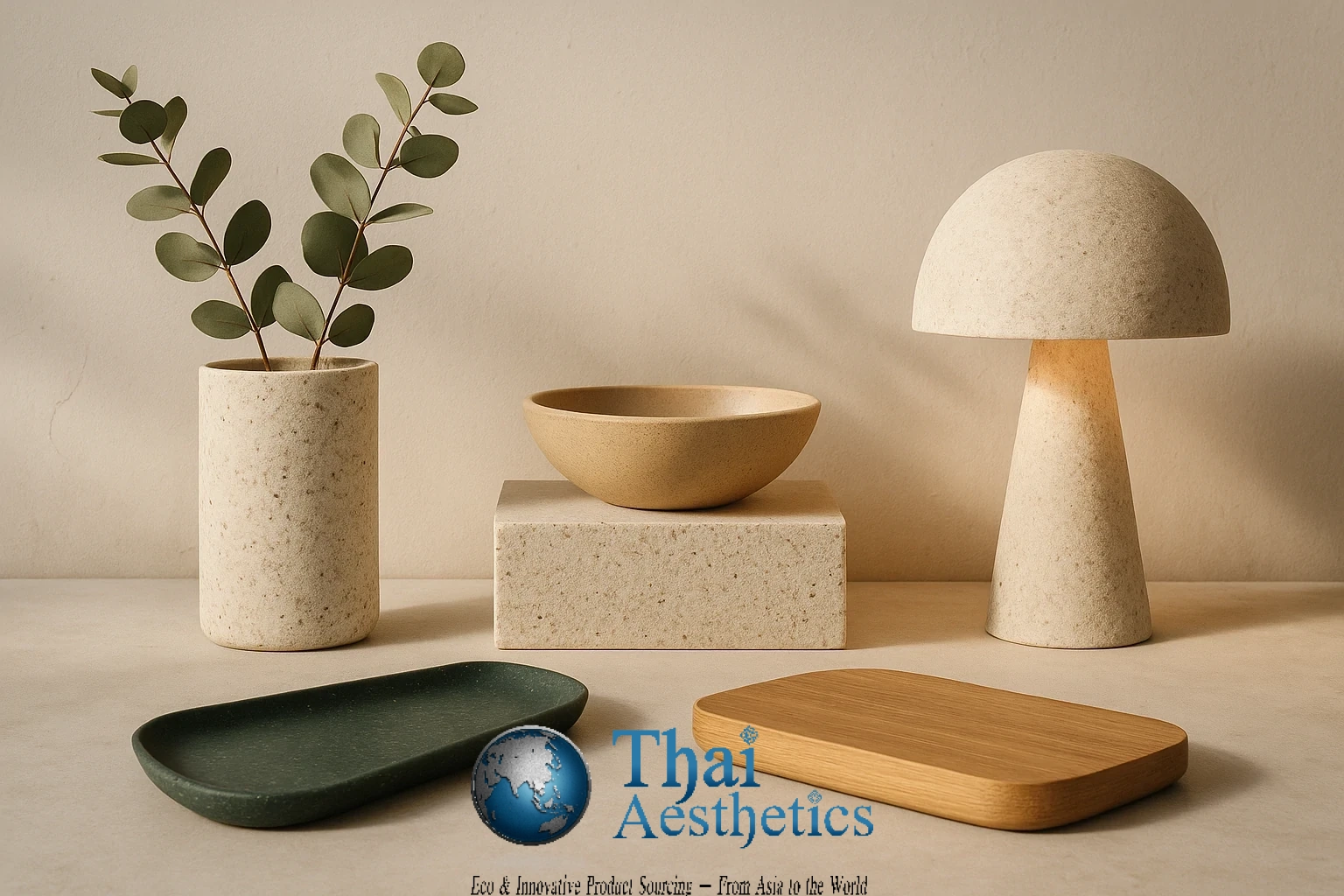
In an era where sustainability is more than just a trend, circular design has emerged as a defining philosophy of modern aesthetics. Rather than producing, consuming, and discarding, circular design invites us to rethink the lifecycle of every product—from creation to reuse and regeneration. At Thai Aesthetics, this vision is not theoretical; it’s embedded in the very DNA of our design and production process.
1. What Is Circular Design?
Circular design is built around a simple yet transformative principle: nothing should go to waste. It encourages the use of materials that can be reused, recycled, or repurposed, ensuring that products contribute to a regenerative economy rather than a disposable one. The result is not only environmental sustainability but also a new form of beauty—one that values longevity, adaptability, and authenticity.
2. Reimagining Waste as a Resource
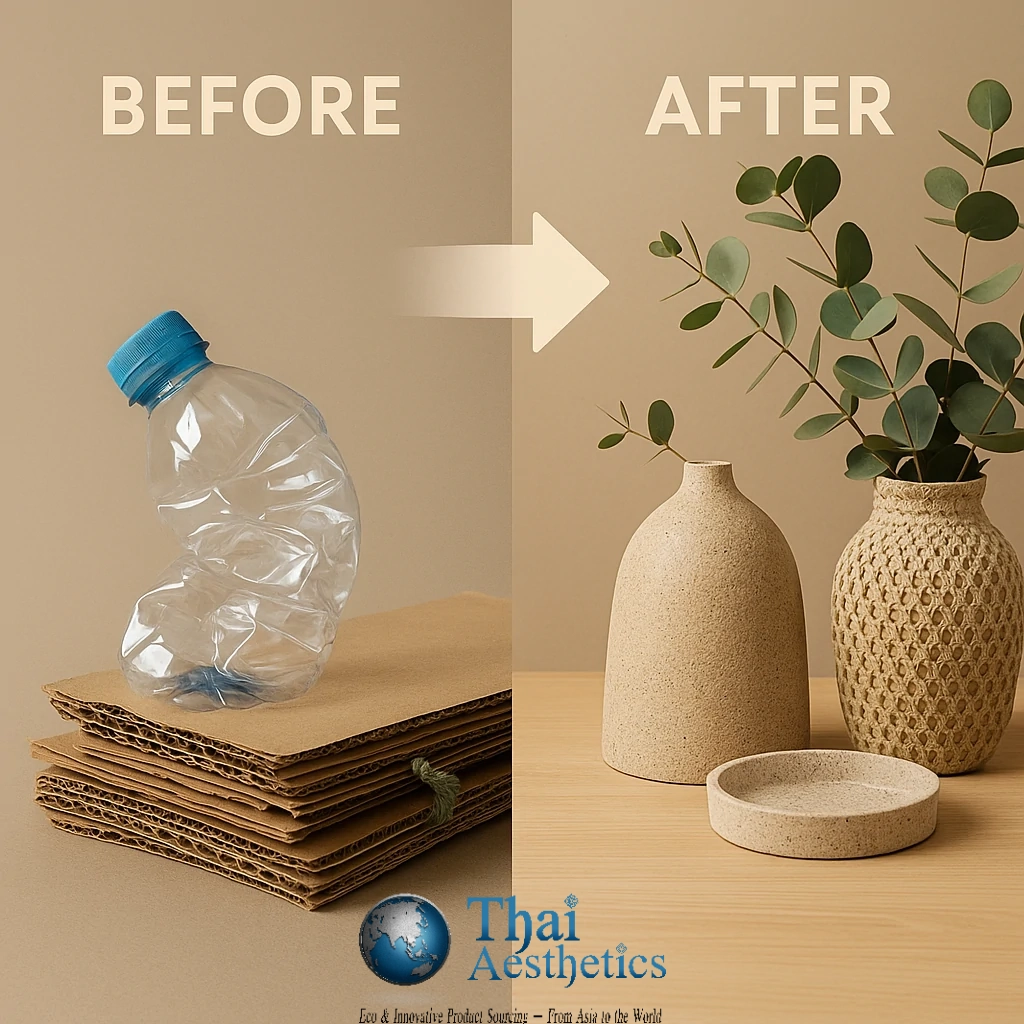
At Thai Aesthetics, we view waste as a creative opportunity. Our design teams collaborate with innovative material partners across Asia to transform discarded resources—such as plastic bottles, aluminum, glass, and paper pulp—into high-value lifestyle products. What was once considered waste becomes a narrative of renewal and purpose.
Take for example our Verdéa collection, which incorporates recycled glass and bio-based polymers into elegant, reusable drinkware. Each product celebrates the harmony between eco-responsibility and timeless design. Similarly, Novora’s product line integrates recycled ABS and aluminum in sleek tech accessories, demonstrating that sustainability and sophistication can coexist effortlessly.
3. The Thai Advantage: Craft Meets Consciousness
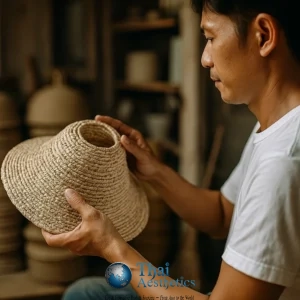
Thailand’s long-standing culture of craftsmanship aligns naturally with circular principles. Thai artisans have always believed in mindful creation—where every material has meaning and every process carries respect for nature. By merging these traditions with modern production technologies, Thai Aesthetics is building a bridge between heritage and innovation.
Our local production facilities emphasize resource efficiency and community inclusion. By sourcing locally and optimizing manufacturing waste, we ensure that every Thai Aesthetics product contributes to both environmental and social sustainability. The result is a model of design that uplifts communities while reducing ecological impact.
4. Beauty in Imperfection: A New Design Language
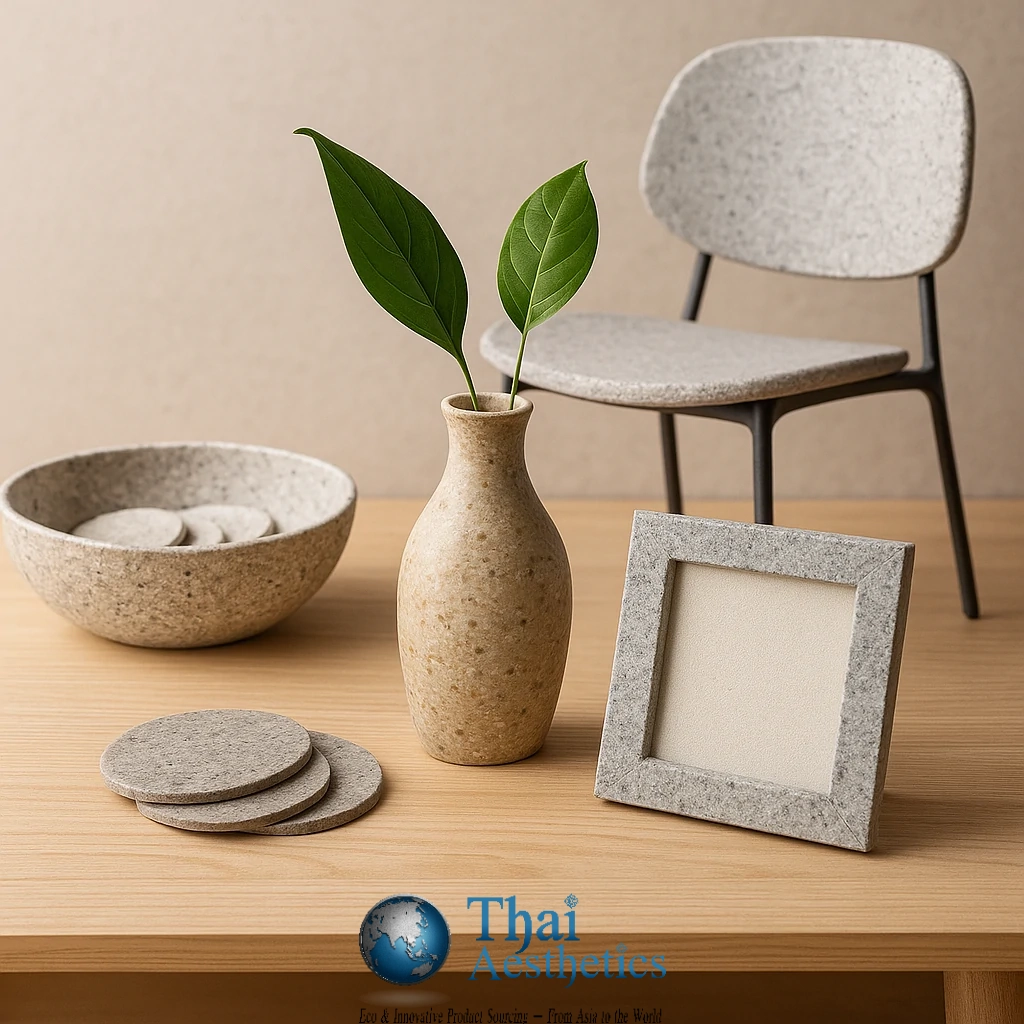
Circular design challenges the traditional idea of perfection. Recycled materials often carry subtle variations—unique textures, colors, or finishes that tell the story of their origin. Instead of hiding these marks, Thai Aesthetics celebrates them. Each product becomes a work of art, shaped by both human hands and the materials’ past life.
This aesthetic of imperfection reflects a deeper beauty—one rooted in authenticity, sustainability, and connection. It’s a reminder that the future of design lies not in uniformity, but in diversity and purpose.
5. Closing the Loop: The Future of Circular Design
As global consumers demand more transparency and responsibility from brands, circular design is evolving from a concept into a necessity. Thai Aesthetics is committed to expanding its circular economy ecosystem by developing new collaborations, investing in material research, and integrating AI insights to improve lifecycle design.
Our goal is not only to create sustainable products but also to inspire industries to rethink their impact. From eco-packaging to modular components, every design choice contributes to a continuous loop of innovation and renewal.
Circular design isn’t just the future—it’s the foundation of modern aesthetics. At Thai Aesthetics, we’re redefining what beauty means by proving that elegance and ethics can coexist in every creation.